| Items | Qty | Price | |
|---|---|---|---|
| $0 |
$0
After checkout, we'll ask you to upload artwork or submit your design brief.
No items in your cart
Hide Cart
×
| Items | Qty | Price | |
|---|---|---|---|
| $0 |
When category spend tightens, some of the first things to go are the materials closest to the sale. Shelf talkers, bottle neckers, retail displays—they feel like an easy cut. Discretionary and nice-to-have.
Here’s the reality: 76% of purchase decisions happen inside the store. Shoppers aren’t walking in with their minds made up. They’re deciding right there in the aisle, in front of your product or the one next to it. The shelf is where the real decisions get made. Pull back now, and someone else steps in.
We’ve watched this pattern repeat across categories. The brands that stay visible and get smarter about how they show up consistently outperform the ones that go quiet and wait for their category to recover. Here are three things those winning brands are doing right now:
 A lot of marketing budgets are built around the idea that advertising does the heavy lifting before shoppers ever walk in the door, and the store is just there to fulfill the purchase. But the data tells a different story. And brands that treat the store like a handoff instead of a moment of influence are leaving real opportunity sitting right on the shelf.
POPAI’s Shopper Engagement Study (the longest-running research series of its kind) puts the in-store decision rate at 76% in grocery and 82% in mass retailers like Walmart and Target. Only 34% of shoppers arrive with a written list. Everyone else is influenced by what they encounter in the store, and that’s a serious opportunity.
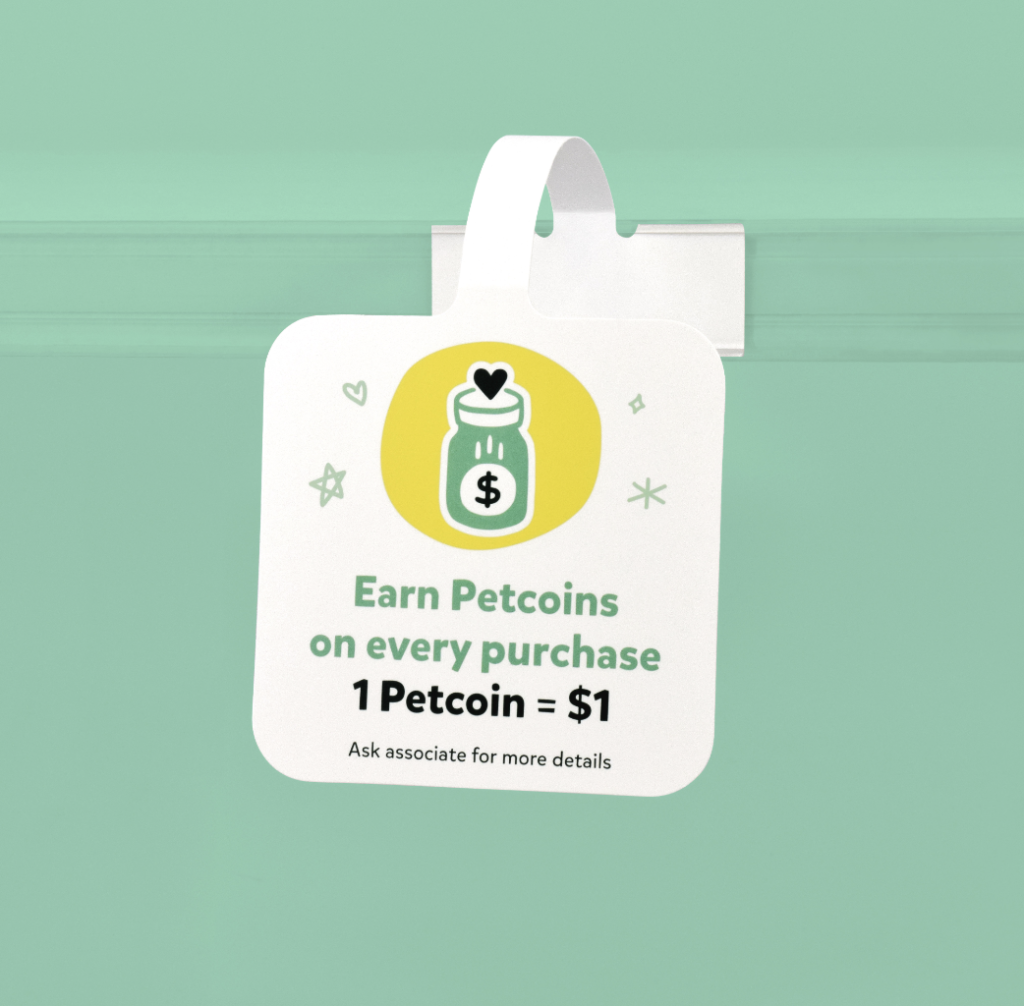
Brands that understand this treat the shelf like real media. They budget for shelf presence with intention, hold it to creative standards, and set clear ROI expectations. Because a well-placed shelf talker, reaching a high-intent shopper at the exact moment of decision, is premium placement. It just happens to cost a fraction of what you’d spend anywhere else in your marketing mix.The brands closing deals at the shelf have figured that out.
 Standing in front of an unfamiliar product with six alternatives on either side, shoppers are looking for a reason to choose. They want a reason to trust, something that signals quality, credibility, or approval in that moment. And when that signal comes from someone other than the brand itself, that’s gold.
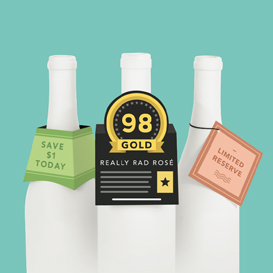
That could be a lot of things depending on your category. In beverage alcohol, a medal from a competition like The Tasting Alliance or a score from a trusted publication carries real weight. In specialty food, a clean-label certification or a trade award does similar work. Pet brands lean on veterinary recommendations. Cannabis brands use verified lab credentials.
The format is different everywhere, but the shopper behavior it drives is consistent. Independent validation cuts through in ways that well-crafted brand copy simply can’t, because it carries the credibility of a source with no stake in the sale.
What separates brands doing this well from those leaving it on the table is speed and placement. Getting that credential onto a shelf talker or bottle necker while the recognition is still fresh is where most of the value gets realized. A medal in a press release reaches your peers, while a medal on the shelf reaches your customers.
 When budgets tighten, it tends to happen across a category around the same time. Brands reduce spend, shelf presence thins out, and the shoppers who are still there—the loyal ones, the ready-to-buy ones—find less to engage with at the point of purchase. For the brands that stay visible, that’s an opening, and a wide one.
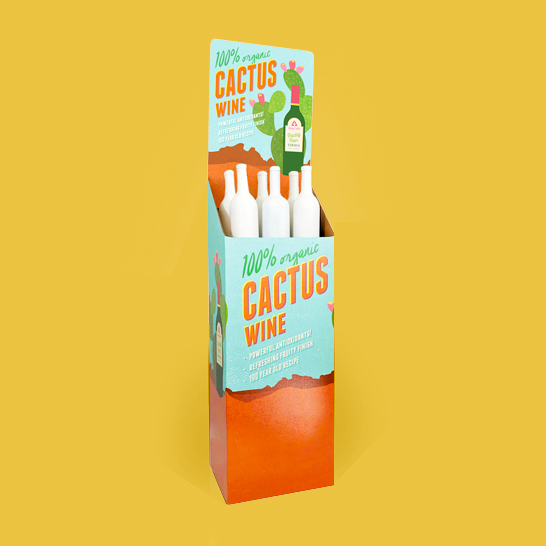
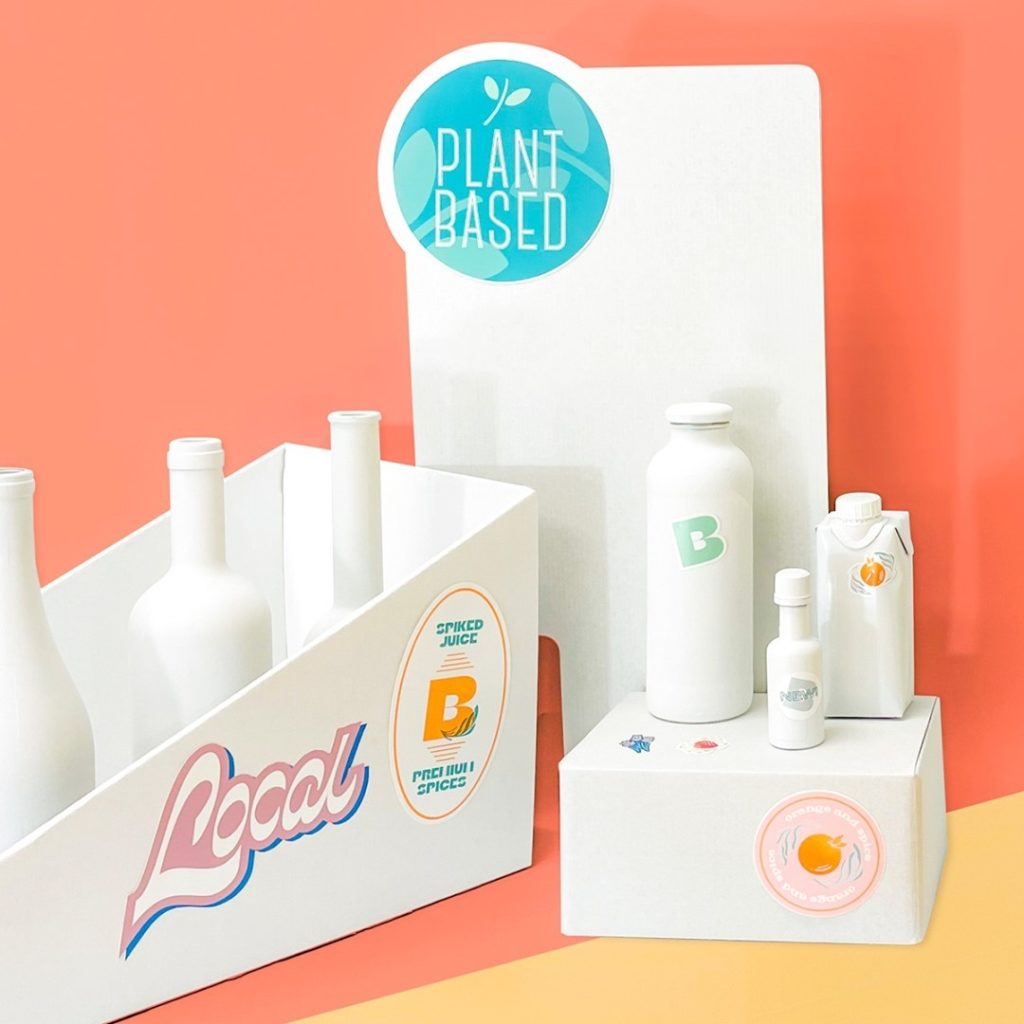
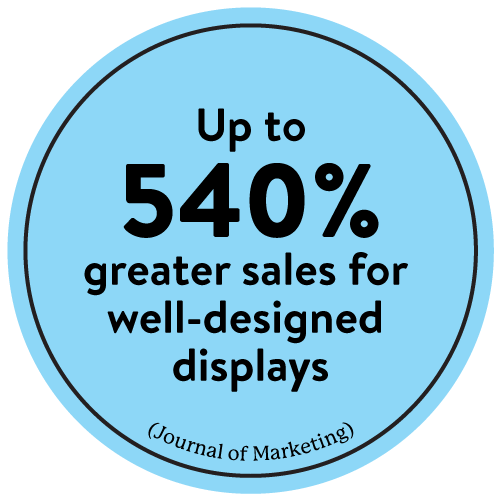
Research published in the Journal of Marketing found that well-designed displays outperform cluttered or disorganized ones by up to 540% in sales. But the real takeaway isn’t design quality in isolation, it’s the relative advantage when the noise around you drops. As competitors pull back and the aisle gets quieter, that advantage grows. Stronger presence stands out more and the gap widens. A strong display in a quiet aisle faces less competition for attention and captures a greater share of it.
There’s also a compounding effect. Brands that maintain shelf presence through a down cycle tend to come out with stronger retailer relationships, better placement, and more accumulated shelf equity than brands that cut spend and are now fighting to get back in. Retailers remember who showed up when it was hard.
Showing up consistently in a crowded category is a strategy. When others start pulling back, it becomes a real opportunity.
First In Print has been producing shelf-level marketing materials since 2003 (bottle neckers, shelf talkers, case cards, displays, and more) for brands that take their retail presence seriously. If you’re thinking about how to make your in-store investment work harder, let’s talk about what that looks like.